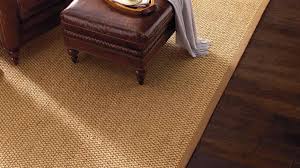
Some flooring materials ask for attention. Others quietly handle daily life without much effort. Natural seagrass floorcovering falls into the second category. It’s practical, durable, and well suited to both home and office environments where ease of maintenance matters as much as appearance.
In Australian settings—where dust, sand, humidity, and regular foot traffic all come into play—this kind of reliability becomes a real advantage.
Understanding Seagrass as a Material
Seagrass is grown in water-rich coastal fields and harvested as a natural fibre. Once dried and woven, it forms a dense, smooth surface with a subtle sheen. What makes it different from other natural materials is its natural waxy coating.
This coating gives seagrass a slightly firm and smooth texture. More importantly, it affects how the material responds to dirt and moisture.
Unlike more absorbent fibres, seagrass tends to resist liquid penetration to some extent. Dirt and dust sit on the surface rather than embedding deeply. This makes it easier to clean and maintain over time.
A Practical Fit for Everyday Living and Working
In both home and office environments, flooring needs to handle movement without constant upkeep. Seagrass is particularly suited to spaces that experience regular activity but still need to look presentable.
At home, this includes:
- Living rooms
- Dining areas
- Hallways
In office settings, it works well in:
- Meeting rooms
- Reception areas
- Shared workspaces
The strength of the fibre allows it to maintain its structure under consistent use. It doesn’t compress easily, and it retains a uniform appearance even in areas that see regular foot traffic.
For households and workplaces that prefer low-maintenance solutions, this consistency makes a difference.
Exploring Weave Styles: Subtle Variation in Design
Floorspace Natural seagrass floorcovering is available in different weave patterns, each offering a slightly different visual effect without changing the core performance.
Basketweave seagrass provides a balanced, grid-like texture that feels structured and even. It works well in spaces where a clean, organised look is preferred.
Crossweave seagrass introduces a bit more variation, adding depth without becoming visually busy. It suits interiors that lean toward a relaxed, natural style.
Herringbone seagrass brings a directional pattern that adds subtle movement across the floor. This can help define larger spaces without relying on strong contrasts.
In both home and office interiors, these variations allow for design flexibility while maintaining the same underlying material benefits.
Aesthetic That Aligns with Australian Interiors
Seagrass carries a natural colour palette that shifts from light green when new to more muted, neutral tones over time. This gradual change is part of its character.
The tones integrate easily with:
- Timber finishes
- Neutral walls
- Natural fabrics and textures
In Australian homes, where open layouts and natural light are common, seagrass supports the overall design without competing with other elements.
In office environments, it helps soften the space while maintaining a clean and professional appearance. The texture adds interest without introducing unnecessary distraction.
Underfoot Feel and Everyday Comfort
Seagrass floorcovering offers a firm, stable feel underfoot. It’s smoother than coir and slightly more forgiving than sisal, but it doesn’t provide the softness of jute or wool.
In high-use areas, this firmness works well. It supports movement, reduces wear, and maintains a consistent surface.
At home, it suits spaces where people are walking or using furniture rather than sitting directly on the floor. In office settings, it provides a stable base for chairs and foot traffic.
For areas where comfort is more important, layering with rugs can help create a softer feel without replacing the flooring.
Climate Compatibility Across Australia
One of the reasons seagrass works well in Australian conditions is its response to humidity.
The natural waxy coating helps it:
- Resist moisture absorption better than many other natural fibres
- Maintain its structure in humid environments
- Reduce the risk of damp-related issues
This makes it particularly suitable for:
- Coastal homes
- Areas with moderate to high humidity
- Spaces with good airflow
However, it’s still not designed for direct exposure to water. Wet areas like bathrooms or laundries are not suitable.
In both home and office environments, proper placement ensures long-term performance.
Maintenance That Stays Manageable
Seagrass is often chosen for its low-maintenance nature. Keeping it clean doesn’t require complicated routines.
Regular vacuuming or sweeping is usually enough to remove surface dirt. Because debris doesn’t embed deeply, cleaning tends to be quicker compared to softer carpets.
Spills should still be handled promptly. While the material resists absorption, leaving liquids on the surface for too long can cause marking.
In both home and office settings, this straightforward maintenance approach fits easily into daily routines.
Durability and Long-Term Performance
Seagrass is built to handle consistent use. The fibres are strong, and the tight weave helps maintain the structure over time.
Instead of showing obvious wear patterns, the flooring tends to age evenly. This makes it particularly useful in larger spaces where maintaining a consistent appearance is important.
In office environments, this reduces the need for frequent replacement. In homes, it helps preserve the look of high-use areas without constant upkeep.
Environmental Considerations
Seagrass is a renewable, natural material that grows in wetland environments without heavy chemical input. This gives it a lower environmental impact compared to many synthetic alternatives.
It is also biodegradable under the right conditions, making it a more responsible choice for those looking to incorporate natural materials into both home and office spaces.
While sustainability depends on sourcing and production, the base material itself supports a more environmentally conscious approach.
Where Seagrass Floorcovering Works Best
Natural seagrass floorcovering is most effective in spaces where durability and ease of maintenance are priorities.
In homes, it fits well in:
- Living areas
- Hallways
- Dining spaces
In offices, it works best in:
- Meeting rooms
- Reception areas
- Shared workspaces
It is less suited for:
- Bedrooms requiring softness
- Wet or moisture-prone areas
- Spaces where plush comfort is expected
Using it in the right context ensures the material performs reliably.
A Flooring Option That Keeps Things Simple
Natural seagrass floorcovering doesn’t try to offer everything. It doesn’t focus on softness or bold design. What it provides is consistency, durability, and ease of use.
In both home and office environments, that simplicity becomes valuable. It allows the flooring to support daily activity without becoming a maintenance burden.
For Australian interiors that prioritise practicality and natural materials, seagrass offers a straightforward solution that works quietly in the background—handling everyday life without getting in the way.
Floorspace shares practical, experience-driven insights to help homeowners choose suitable flooring solutions.
